
Science in Context
Explore articles, publications and research outputs from Silesian University.
Discover topics that reveal how academic knowledge is created, where it is headed and how it impacts the world around us.
LATEST IN OUR RESEARCH
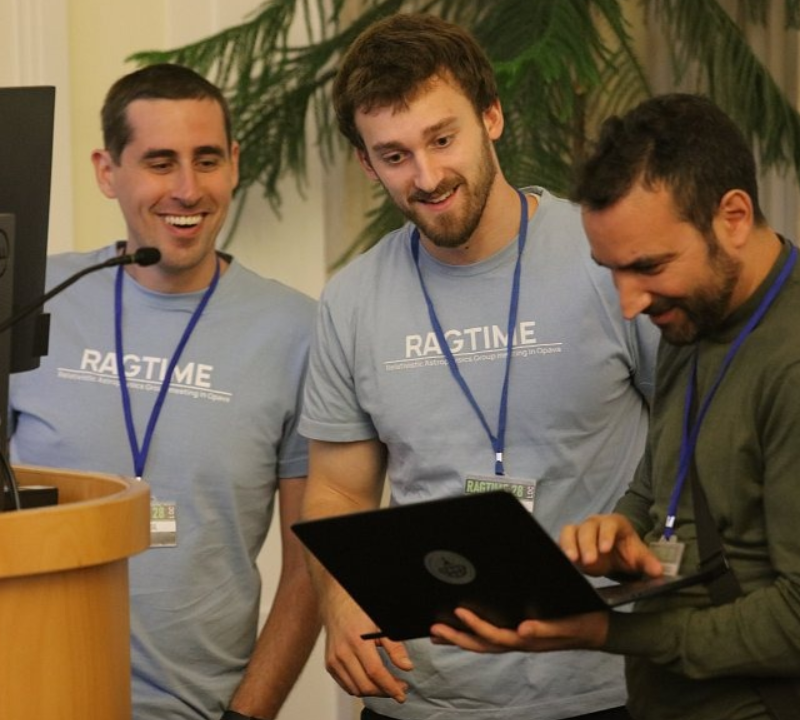
Black holes, neutron stars and artificial intelligence: Opava hosts RAGtime
A total of 58 participants from Czechia and abroad gathered at the Rectorate of Silesian University in Opava from 2 to 6 November 2026 for the 28th international RAGtime conference. Organised by the I…
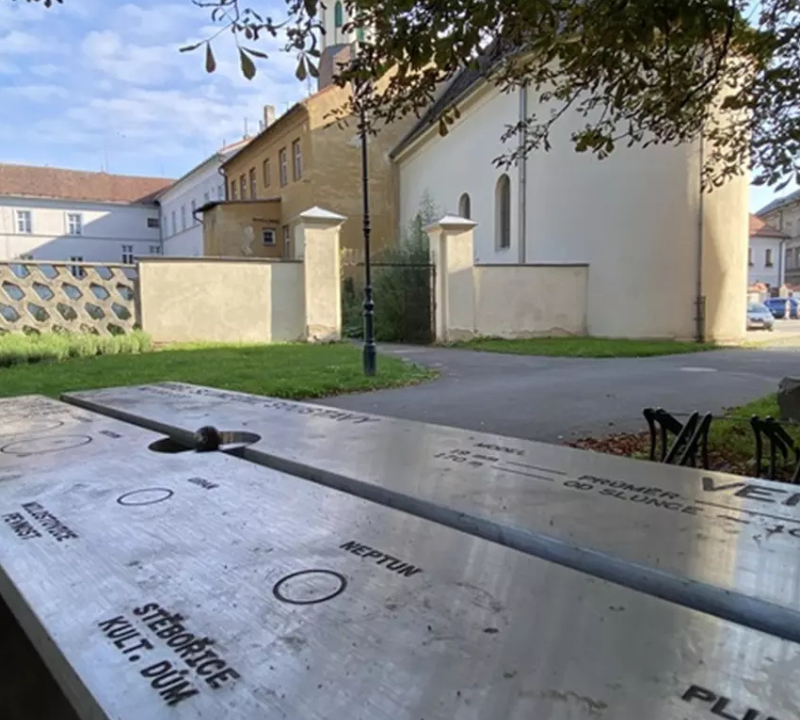
From Opava to the outer reaches of the Solar System: A planetary trail through the Moravian-Silesian Region
The journey from the centre of Opava to the outer reaches of the Solar System takes you through the Moravian-Silesian Region. Opava’s original Solar System Model has grown by seven stops to become the…

The Grass Is Greener on the Other Side: What Do Men and Women Envy About Each Other, and What Is “Ablative Envy”?
Remember the old saying that the grass is always greener on the other side of the fence? From an Everyday Question to Scientific Research While society debates the ways in which men and women are equa…
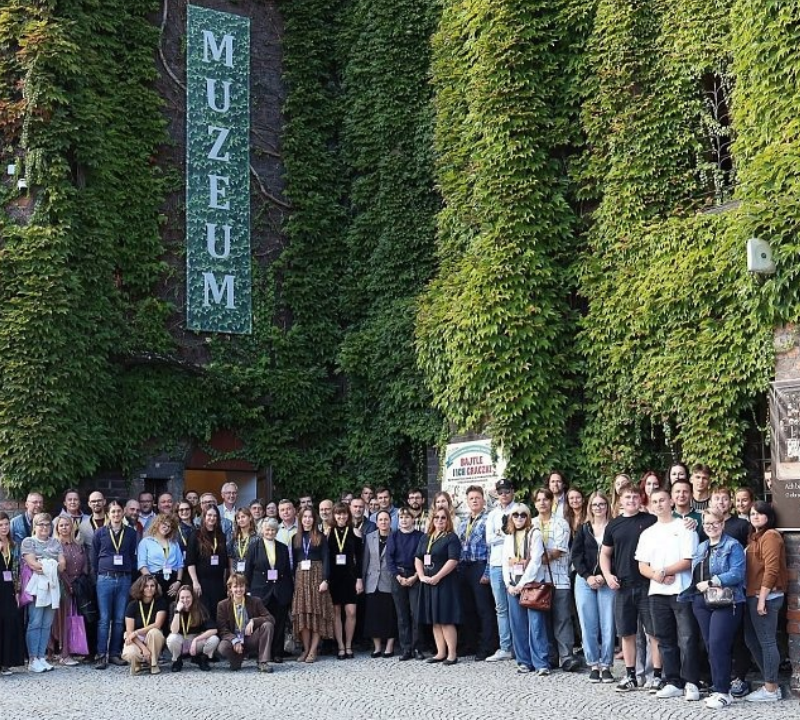
Archaeological Research Without Borders: An International Symposium in Racibórz
From 30 September to 2 October 2026, the Polish town of Racibórz hosted the international Silesian Archaeological Symposium (Śląskie Sympozjum Archeologiczne). The principal organisers were the Instit…
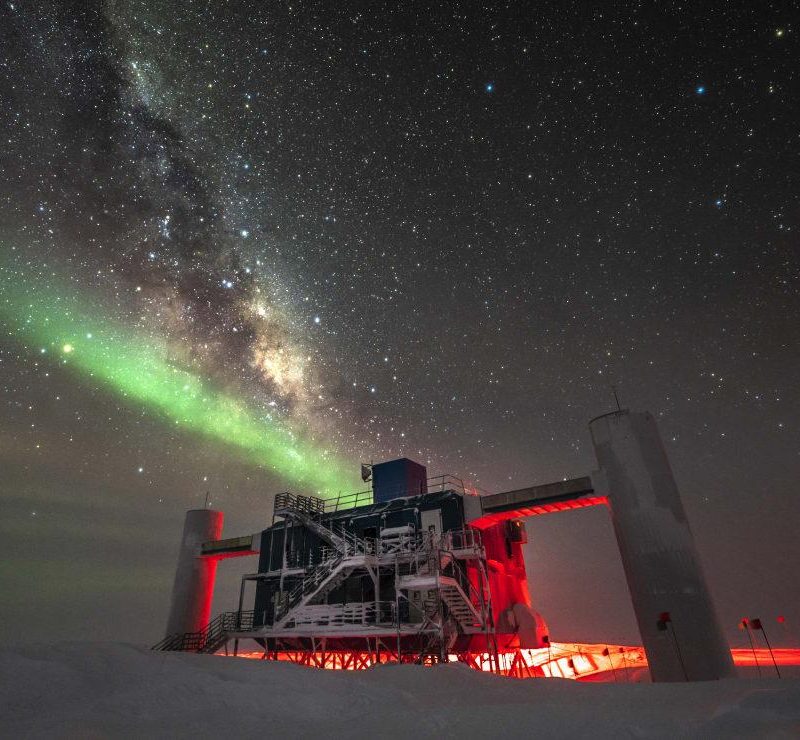
The 2026 Nobel Prize in Physics: From Neutrinos in Antarctic Ice to Black Hole Research in Opava
This year’s Nobel Prize in Physics honours a scientist who helped turn Antarctic ice into a giant detector for particles arriving from deep space. His work opened a new era in astronomy. Researchers a…
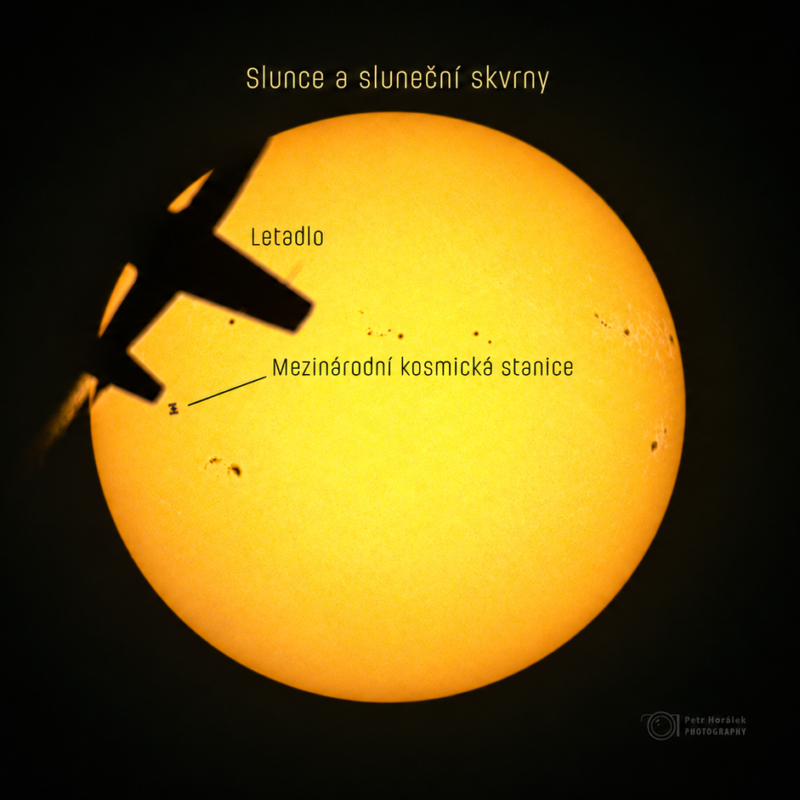
Opava Physicist’s Image Featured by NASA Captures an Extraordinary Coincidence
NASA’s Astronomy Picture of the Day for 22 September 2026, titled “Chance Triple Alignment: Plane, Space Station, Sun,” shows an exceptionally rare sight: an aircraft and the International Space Stati…
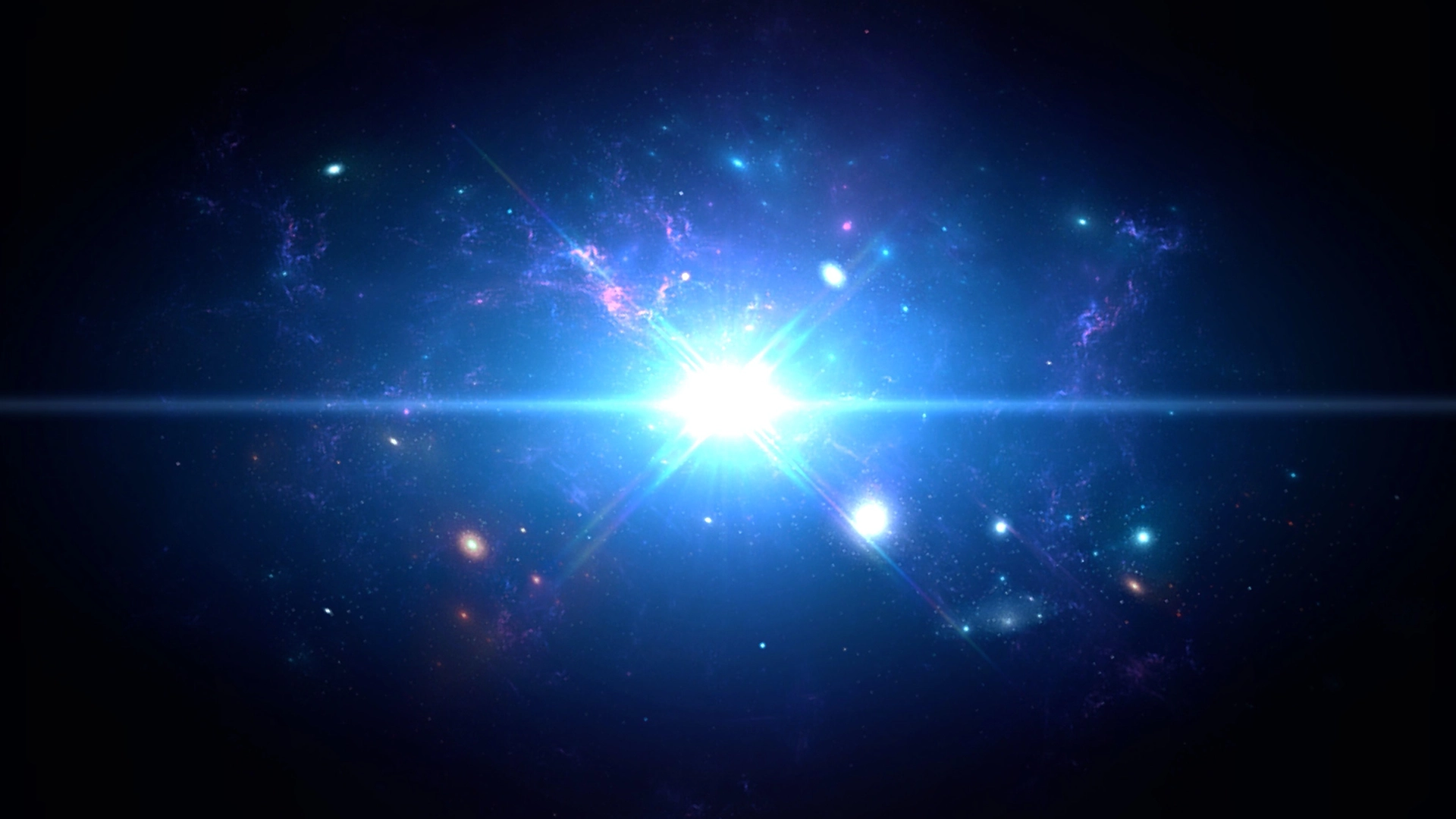
What Lies Behind a Dancing Ring of Light: A Neutron Star as a Cosmic Clock
Imagine an object so dense that a teaspoon of its material would weigh more than all the buildings in Manhattan combined. Some neutron stars produce rhythmic variations in X-ray brightness at frequenc…

How Artificial Intelligence Is Changing the Rules in the Fight Against Carbon Emissions
Researchers at Silesian University in Opava have made a surprising discovery: generative AI can help companies significantly reduce their carbon footprint. But there is a catch, it works only when the…